
Legal Advice Blog: Legal Advice, Case Insights, & Local Law Information

All News Criminal Verdicts DWI Verdicts Personal Injury Results Homicide News Homepage News Civil Verdicts Newspaper Federal Cases Gun Crime Assault and Domestic Violence Sex Crimes
Manslaughter

Understanding the Differences: Murder 1 vs. Murder 2 vs. Manslaughter in New York

When discussing serious criminal charges like murder and manslaughter, it's crucial to understand the distinctions between them, especially in a complex legal landscape like New York. These charges carry severe penalties and can significantly impact the accused's life. In this post, we’ll explore the differences between Murder 1, Murder 2, and Manslaughter, focusing on how prosecutors may overcharge and how juries respond. What is Murder in the First Degree (Murder 1)? Murder in the First Degree is the most serious homicide charge in New York. It involves premeditated intent to cause the death of another person. The intent element is crucial, as it indicates that the perpetrator planned the act beforehand. Murder 1 charges often apply in cases where the victim is a law enforcement officer, or the murder was committed during the commission of another felony, such as robbery or kidnapping. Key Elements of Murder 1: Premeditation: The defendant planned the murder in advance. Intent: There was a conscious decision to kill. Special Circumstances: Such as killing a police officer or committing murder during another felony. What is Murder in the Second Degree (Murder 2)? Murder in the Second Degree is a step down from Murder 1 but still a very serious charge. It typically involves intentional killing without premeditation or a death resulting from depraved indifference to human life. Key Elements of Murder 2: Intentional Killing: But without premeditation. Depraved Indifference: Reckless conduct showing a total disregard for human life. Felony Murder Rule: Causing a death during the commission of a felony, even if unintentional. What is Manslaughter? Manslaughter charges are less severe than murder charges and typically involve a lack of intent to kill. They are divided into two degrees: Manslaughter in the First Degree and Manslaughter in the Second Degree. Manslaughter in the First Degree: Intent to Cause Serious Injury: Resulting in death. Heat of Passion: A killing occurring in the heat of passion after being provoked. Manslaughter in the Second Degree: Reckless Conduct: Acting recklessly and causing a death. Assisted Suicide: Intentionally aiding another person in committing suicide. How Prosecutors Overcharge Prosecutors may overcharge defendants by filing the most severe charges possible to leverage a plea deal. This tactic can pressure defendants into pleading guilty to lesser charges to avoid the risk of harsher penalties if convicted at trial. Why Overcharging Occurs: Plea Bargaining: Encourages defendants to accept a plea deal. Maximize Penalties: Prosecutors aim for the highest possible sentence. Public Pressure: High-profile cases may lead to aggressive charging. How Juries Push Back Juries play a critical role in the criminal justice system by evaluating the evidence and determining the appropriate charge. They may "push back" against overcharging by convicting on lesser charges if they believe the prosecution has not proven the elements of the more serious charge beyond a reasonable doubt. Factors Influencing Jury Decisions: Evidence Strength: Weak evidence can lead to acquittals or convictions on lesser charges. Jury Instructions: Clear instructions from the judge can help jurors understand the legal distinctions. Perception of Fairness: Juries may seek to deliver a verdict they deem fair based on the presented evidence. Conclusion Understanding the differences between Murder 1, Murder 2, and Manslaughter in New York is crucial for anyone facing these charges or working in the legal field. While prosecutors may overcharge to gain leverage in plea negotiations, juries serve as a critical check in the system, ensuring that convictions align with the evidence. If you're facing such charges or need legal assistance, it's essential to consult with experienced legal professionals. At Addabbo & Greenberg Law, we specialize in criminal defense and are here to help you navigate these complex legal waters. For more information, contact us today.

Read More
Clean Slate vs. CPL § 160.59: Navigating New York's Conviction Sealing Laws

Clean Slate vs. CPL § 160.59: Navigating New York's Conviction Sealing Laws

For New Yorkers with a criminal record, the prospect of sealing convictions offers a new lease on life. It can pave the way for fresh opportunities, whether in employment, housing, or education. However, understanding which convictions seal automatically and which require a judge's order can be complex. This guide from Addabbo & Greenberg Law aims to clarify these distinctions, helping you navigate the intricacies of New York's conviction sealing laws. Understanding the Basics: Can I Seal My Criminal Record in New York? The Clean Slate Act The Clean Slate Act is a recent legislative effort aimed at automatically sealing certain criminal records. This act primarily focuses on minor offenses, offering individuals a chance to move forward without the stigma of a criminal record. However, it has limitations and doesn't cover all types of convictions. CPL § 160.59: A Closer Look CPL § 160.59 is a New York law that allows individuals to apply for the sealing of certain criminal convictions. Unlike the Clean Slate Act, this process isn't automatic and requires a judge's order. It provides a pathway for sealing more serious offenses, given specific conditions are met. Key Differences: Automatic Sealing vs. Judicial Sealing Eligibility Criteria Clean Slate Act: Generally applies to minor misdemeanors and low-level felonies. It automatically seals records after a predetermined period without further criminal activity. CPL § 160.59: Requires individuals to petition the court. The eligibility criteria are more stringent, often involving a waiting period and a clean record since the conviction. Process Automatic Sealing: Under the Clean Slate Act, eligible records are sealed without any action required from the individual. Judicial Sealing: CPL § 160.59 necessitates a formal application to the court, including supporting documents and, in some cases, a court hearing. Types of Convictions Clean Slate Act: Typically limited to less severe offenses. CPL § 160.59: Can include more serious convictions, but violent felonies and sex offenses are generally excluded. Benefits of Sealing Your Record Sealing a criminal record can significantly impact one's life. It can enhance job prospects, improve housing opportunities, and contribute to a sense of personal closure. For those who qualify, the benefits are substantial and transformative. Legal Support: Theft Crime Lawyer in Queens, New York Navigating the legal system can be daunting, especially when dealing with criminal records. A theft crime lawyer in Queens, New York, can provide invaluable assistance. They can evaluate your eligibility, help gather necessary documentation, and represent you in court proceedings. Steps to Take: How to Pursue Sealing Under CPL § 160.59 Assess Eligibility: Consult with a legal professional to determine if your conviction qualifies for sealing under CPL § 160.59. Gather Documentation: Compile all necessary documents, including evidence of rehabilitation and character references. File a Petition: Submit a formal request to the court, detailing your case and reasons for seeking sealing. Court Hearing: Be prepared for a hearing where you may need to demonstrate your rehabilitation and the benefits of sealing your record. Conclusion: Taking Control of Your Future Understanding the differences between the Clean Slate Act and CPL § 160.59 is crucial for anyone seeking to seal their criminal record in New York. While automatic sealing is a step forward, many will find that judicial sealing offers a broader scope for record clearance. At Addabbo & Greenberg Law, we're committed to helping you navigate these legal waters and reclaim your future. For more personalized guidance, visit our Contact Us page to connect with our experienced legal team. Our expertise can make the difference in your journey toward a clean slate.

court

9/28/26 Nassau County Jury: “NOT GUILTY“ DWI

Our client, a 30-year-old businessman, was stopped for speeding. The police officer allegedly smelled alcohol and eventually arrested the client, who blew a .12  on the breath test. Mr. Greenberg argued to the jury that despite the reading, our client’s physical appearance and characteristics were stronger; therefore, the instrument was not accurate. Mr. Greenberg also argued to the Jury that our client's BAC was higher at the time of the test, one hour after he was stopped, than at the time he was driving, because of the absorption of the alcohol into his blood during that one-hour period. The Jury did find the defendant guilty of driving while impaired, which is what we were requesting of the Nassau County District Attorney Office to plead to. The District Attorney wouldn’t give it, but the Jury did!

abc7logo

Federal Sentence of Time Served (16 Days) Based Upon Collateral Consequences of Conviction

A Federal Judge in the Eastern District of New York agreed with Attorney Todd Greenberg at sentencing that our client was going to suffer severe collateral consequences from his criminal conviction which should be taken into account by the Sentencing Court. Our client, an alleged but denied “Associate” of the Gambino crime family, was convicted of Federal Wire Fraud regarding a scheme to defraud the Internal Revenue Service (IRS) by failing to pay payroll taxes owed to the Federal Government. His guideline range was 21 to 27 months imprisonment. Through an extensive Pre-Trial submission, Mr. Greenberg was able to point out our client’s lesser role in the offense and the extreme collateral consequences of his conviction, including Immigration consequences, financial consequences and the fact that the client has been under Bail restrictions thru the pendency of the case. The Federal Judge, in a fair weighing of those factors, sentenced our client to time served (sixteen days prior to making Bail) and restitution. Through the diligent efforts of Mr. Greenberg, our client received a sentence well below the Guideline range even though the Government opposed same. If you are under Federal investigation or involved in a case you would like to discuss, please contact our firm and ask for Todd Greenberg at 718-268-0400 or at Queenslaw.com

BOOST (2)

Electrician arrested for stealing copper wiring

Read the article here: https://www.nydailynews.com/2026/06/25/electrician-arrested-stealing-copper-wiring-brooklyn-hospital/

ada ag7

A & G at the Queens ADA Gala in Honor of Judge Holder

What a night! So honored to be part of the Queens ADA Association Summer Dinner celebrating Judicial Excellence — and the incredible career of the Honorable Judge Kenneth Holder on his retirement.

Gun Charges at JFK Airport Dismissed and Sealed

Gun Charges at JFK Airport Dismissed and Sealed

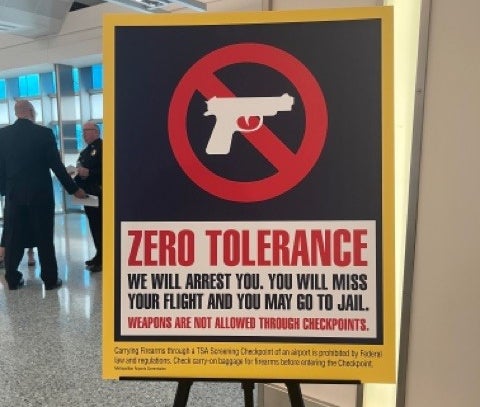
New York weapons and gun laws are among the strictest in the country as our client, a licensed gun holder in Nassau County, came to find out when he accidentally brought the wrong bag to JFK airport on his way to catch a flight to a meeting. Although licensed in Nassau County, a New York City Special Carry License is needed to carry in New York City. The Queens District Attorney charged our client with Criminal Possession of a Weapon as a Class C Felony, with a mandatory minimum of 3 ½ years! Mr. Greenberg moved swiftly to get the client released from jail, conferenced the case with the Queens District Attorney’s Office, and put together a mitigation package. The case was Dismissed and Sealed within days of the arrest! It is extremely important that your attorney be highly experienced in dealing with similar cases with both the Queens District Attorney’s office and the Queens Courts. Don’t leave your future in the hands of chance after being arrested at an NYC airport, licensed or not. Reach out to Addabbo & Greenberg at 718-268-0400 and speak to attorneys who know what needs to be done!!!

queens-daily-eagle2

Queens judge dismisses most terroristic threat charges against man accused of threatening Mamdani

Read Here: https://queenseagle.com/all/2026/3/12/queens-judge-dismisses-most-terroristic-threat-charges-against-man-accused-of-threatening-mamdani

fistel 1

Queens judge dismisses most terroristic threat charges against man accused of threatening Mamdani

Read Here: https://queenseagle.com/all/2026/3/12/queens-judge-dismisses-most-terroristic-threat-charges-against-man-accused-of-threatening-mamdani

weatherspoon

$500K SLIP AND FALL ON ICE

Our client was at a storage facility when she tripped and fell on ice. The facility had shoveled from a storm the night before, but the theory of liability was that employees failed to properly salt. Throughout the case the offer was $25K, with Defense counsel pointing to the snowstorm the night before and all other issues that are commonly raised as a defense in snow and ice fall cases. However, on the eve of trial, Plaintiff’s Counsel Todd D. Greenberg made a Motion in Limine to admit post-accident repairs in the form of a picture of  salt applied to the ice after the accident by management. What was clearly apparent was that the salt had a blue hue to it, which was missing in the picture of the actual accident scene! It was clear that the Defendant failed to salt the shoveled walkway in a proper manner, giving rise to liability. The Plaintiff suffered a bilateral fractured ankle and the case settled for $500,000.00 the day before jury selection after the Motion was filed! For a slip and fall on ice, sidewalk or other defective condition, call Addabbo & Greenberg at 718-268-0400 or visit our website at www.queenslaw.com

Jury Verdict: ‘NOT GUILTY” of Manslaughter, Criminal Negligent Homicide

Kevin Gomez, 22, was acquitted of felony manslaughter in the fatal 2023 hit-and-run death of three-year-old Quintus Chen in Queens, New York, but a jury found him guilty of misdemeanor charges including reckless driving and operating an unregistered vehicle. Queens Daily Eagle Prosecutors argued Gomez’s tinted windows severely impaired his visibility, yet he struck the child and fled the scene, while his defense countered that Gomez was merging into traffic and did not see the child, calling the tragedy an accidental “pedestrian error.” Queens Daily Eagle Gomez faces sentencing on December 10 and could receive either probation or up to a year behind bars. Queens Daily Eagle Click the link to read the full article.

What to Do After a Construction Site Injury in Queens

Construction sites are inherently dangerous environments, with heavy machinery, heights, and hazardous materials all contributing to the risk of injury. While safety standards are in place to protect workers, accidents still happen every day in New York. If you've been injured at a construction site, knowing what to do next can have a significant impact on your ability to recover compensation and protect your legal rights. Here’s a guide on the key steps to take after a construction accident. 1. Seek Medical Attention Immediately Your health and safety should be the number one priority after any injury. Even if the injury seems minor at first, it’s crucial to seek medical attention immediately. Some injuries may not show symptoms right away, and prompt treatment can prevent further damage. Additionally, medical records will serve as vital evidence for your case down the line. 2. Report the Injury to Your Supervisor or Employer It’s important to report your injury to your supervisor or employer as soon as possible. Failing to report an injury may jeopardize your right to workers' compensation and could negatively affect any legal claims you pursue. Make sure the injury is documented in writing, and request a copy of the report for your records. 3. Document the Accident Scene If you are able to, take photos or videos of the accident scene. Capture anything that may have contributed to your injury, such as unsafe working conditions, faulty equipment, or hazardous materials. Also, collect the names and contact information of any witnesses who saw the accident occur. This documentation can play a crucial role in your personal injury claim. 4. Contact a Construction Accident Lawyer After an injury on a construction site, the legal landscape can be complicated. Workers’ compensation claims are common, but you may also be entitled to additional compensation if third parties—such as contractors or equipment manufacturers—were responsible for the accident. A construction accident lawyer in Queens can help you navigate these complexities, investigate the cause of the accident, and help you pursue all available avenues for compensation. 5. Understand Your Rights and Potential Compensation Construction accident victims in New York may be entitled to compensation through several channels, including workers' compensation and personal injury lawsuits. Workers' compensation benefits generally cover medical expenses, lost wages, and a portion of your disability. However, in cases where a third party is responsible (e.g., subcontractors, equipment manufacturers, or site owners), you may be able to pursue a personal injury claim in addition to workers' compensation. 6. Be Cautious of Insurance Companies Insurance companies often try to minimize their payout or shift the blame in construction accident cases. Never accept the first offer without consulting a construction accident attorney. Insurance companies may offer a quick settlement, but it could be much less than what you are entitled to in the long run. Why Choose Addabbo & Greenberg for Your Construction Accident Case? Addabbo & Greenberg has years of experience representing workers injured on construction sites in New York. We understand the unique challenges of these cases, including navigating workers' compensation laws, identifying liable third parties, and fighting for the maximum compensation possible. If you’ve been injured at a construction site, you need an attorney who will fight to protect your rights and help you recover the compensation you deserve. Call Us for a Free Consultation At Addabbo & Greenberg, we offer free consultations for all construction accident cases. If you’ve been injured in a construction accident, don’t wait. Contact us today at 718-268-0400 or schedule your consultation online. Let us help you understand your options and take the first steps toward securing the compensation you need for your recovery.

Arrested at JFK or LaGuardia for a gun charge? Learn what to do next and how Addabbo & Greenberg Law’s experienced attorneys can help defend your case. Call 718-268-0400 today.

What to Do If You’re Arrested at JFK or LaGuardia Airport for a Gun Charge

Traveling through New York City’s airports can be stressful even on the best days. But if you’ve been arrested at JFK or LaGuardia for a gun offense, TSA violation, or related weapon charge, the situation becomes urgent and daunting. Many travelers are unaware that New York does not recognize out‑of‑state gun licenses, and even lawful conduct in another state can lead to serious criminal charges here. If you find yourself in this position, knowing what to do next can make the difference in protecting your rights and your future. To speak with a trusted gun charge attorney about your case, contact Addabbo & Greenberg Law today or call us directly at 718-268-0400. Why Airport Gun Arrests Happen More Often Than You Think Airports in New York enforce both federal (TSA) and state weapons laws. A traveler may follow TSA rules by declaring a firearm at check‑in, only to be arrested moments later under New York penal law. This is because: New York does not honor out‑of‑state permits or concealed carry licenses. Possession of ammunition, magazines, or even a single round can trigger criminal charges. Items legal in other states like pepper spray, knives, or handcuffs can be illegal in New York. These complexities turn routine travel mistakes into serious legal problems. A skilled gun crime attorney can explain how New York law applies to your situation and begin building a defense immediately. Common Charges at NYC Airports The most frequent allegations we see include: Possession of a firearm without a New York license Possession of unloaded weapons and ammunition TSA violations involving prohibited items Weapon possession in secure or restricted areas No matter the charge, consequences can be severe—ranging from fines and license suspensions to felony convictions and state prison time. A local gun charge attorney should be consulted right away. What You Should Do After an Airport Gun Arrest If you are arrested at an airport in Queens: Remain calm and respectful Do not make any statements without an attorney present Ask for a gun crime attorney immediately Document everything you remember about your arrest and interactions Your statements and how evidence was gathered can significantly impact your case. An experienced TSA violation attorney will review whether your rights were respected and explore every defense available. How a Gun Crime Attorney Helps Our gun crime attorneys in Queens at Addabbo & Greenberg Law will: Assess the facts and applicable laws specific to New York airports Challenge unlawful searches or procedural errors Negotiate with prosecutors for reduced charges or dismissals Prepare a strong defense if the case goes to trial Our local defense team understands how Queens County prosecutors handle airport weapon cases and works to protect your rights and freedom at every stage. Stories of Clients Who Avoided Harsh Penalties Many travelers mistakenly think that good intentions or lack of criminal history will save them from prosecution. That is not always true in New York. We have helped clients in similar circumstances reduce or dismiss charges by: Arguing that evidence should be suppressed due to improper search procedures Showing lack of criminal intent Proving confusion over TSA direction versus state law Every case is different, but early legal intervention improves outcomes dramatically. FAQs About Airport Gun Charges Can I be arrested for checking in a gun at JFK or LaGuardia? Yes. Even if you declared your firearm at the counter, New York law does not honor out-of-state permits. You could be arrested for unlawful possession of a weapon. What penalties could I face for a gun in airport charge? Penalties vary, but gun charges can be felonies with potential prison time, fines, and long-term impact on employment and civil rights. Is a TSA violation the same as a criminal charge? No. Some TSA violations result in civil fines only. However, when weapons are involved, criminal charges can also be pursued by local prosecutors. What should I do if I’ve been arrested at the airport? Do not make statements to law enforcement. Contact an experienced gun crime attorney who can advise you on next steps and protect your rights. Talk to a Gun Crime Attorney Serving JFK, LaGuardia Today Airport gun arrests in New York City are serious and complicated. You need defense counsel who knows both federal and New York weapons law. Contact Addabbo & Greenberg Law now or call us directly at 718-268-0400 to start building your defense with our experienced gun charge attorneys.

Contact Us

Fill out this form below and we'll contact you shortly
*Required Fields