
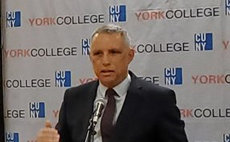

Our client, a Senior at the University of Albany, was arrested, charge and Indicted for Rape by force and other related charges. There is no question that such allegations are serious and taken seriously by this office. However, such allegations are not always true. This was that case! From the beginning of this prosecution in 2019, Mr. Greenberg’s Client, upon Mr. Greenberg’s advice, turned down all plea offers and was determined to take this matter to a Jury. After reviewing all the evidence, including a “controlled phone call”, it was the defense position, as the Client said, that this was a consensual sexual encounter between the parties. Indeed, a close scrutiny of a one-hour long phone call found, in Mr. Greenberg’s opinion, that certain phrases used by the Complainant, when put in context, indicated consent. At the final pre-trial conference held one week before the Trial was to commence, with the Judge and the Albany District Attorney, Mr. Greenberg convinced the District Attorney that the Complainant’s credibility was highly questionable. The District Attorney decided not to proceed to Trial with the case and offered a Violation instead of a Crime. Mr. Greenberg advised that it would be prudent to end the case with a guilty plea to Harassment, a Violation and not a Crime, instead of risking a Jury Trial. On March 9th, 2020, the parties appeared in Albany County wherein the case resolved with a non-criminal disposition. Of note, the Albany County Judge stated, on the record, regarding Mr. Greenberg, that “…I think your attorney has done an excellent job advocating for you…”
The New York Rape Statutes and When a Close-in-Age Defense May Matter
New York law recognizes several different forms of rape, and the applicable statute depends on the allegations. For example, Penal Law § 130.25 includes third-degree rape based on sexual contact without consent, while Penal Law § 130.30 addresses second-degree rape involving, among other circumstances, an adult engaging in sexual contact with a person under 15.
New York’s close-in-age defense is limited. Penal Law § 130.30 provides an affirmative defense for the age-based portions of second-degree rape when the defendant was less than four years older than the victim at the time of the conduct. The defense therefore can be important in an age-based prosecution, but it does not automatically apply simply because two people are relatively close in age.
In the Albany case discussed here, the published case summary describes an allegation of rape by force and the defense’s position that the encounter was consensual. The case ultimately resolved with a plea to Harassment, a violation rather than a crime, after defense counsel challenged the complainant’s credibility and presented the context of a recorded telephone conversation.
The original case summary does not identify the parties’ ages or specify the precise statutory subdivisions of the original indictment. For that reason, it would be inaccurate to say that a close-in-age defense actually applied in this case. If the prosecution had instead involved an age-based second-degree rape charge under Penal Law § 130.30, the parties’ ages could have made the less-than-four-years affirmative defense legally relevant. On the facts publicly described in this post, however, the reported resolution turned on the consent and credibility issues—not a documented close-in-age defense.
For a clearer explanation of New York sex-crime law, see our Sex Crimes FAQ & Statutes Guide, covering rape statutes, consent, age-based offenses, close-in-age defenses, and other issues that can affect a criminal sex-offense case.
This article discusses the law generally and the facts reported in this particular case. The application of a statute or defense depends on the exact charges, dates, ages, and circumstances of an individual case. This information is not legal advice.

If you have been charged with a sexual offense contact Criminal Defense Attorney Todd Greenberg at (718) 268-0400 or visit us at www.Queenslaw.com.
Connect with us



Forest Hills Office
718-268-0400118-21 Queens Boulevard Suite 306
Forest Hills, NY 11375-7209
Nassau County Office
100 Crossways Park Drive WestSuite 402
Woodbury, NY 11797